Food Service Operations Use Water Constantly, and Pay for More Than They Consume
Dishwashing, food prep, beverage service, and sanitation make restaurants one of the most water-intensive business types in Canada.
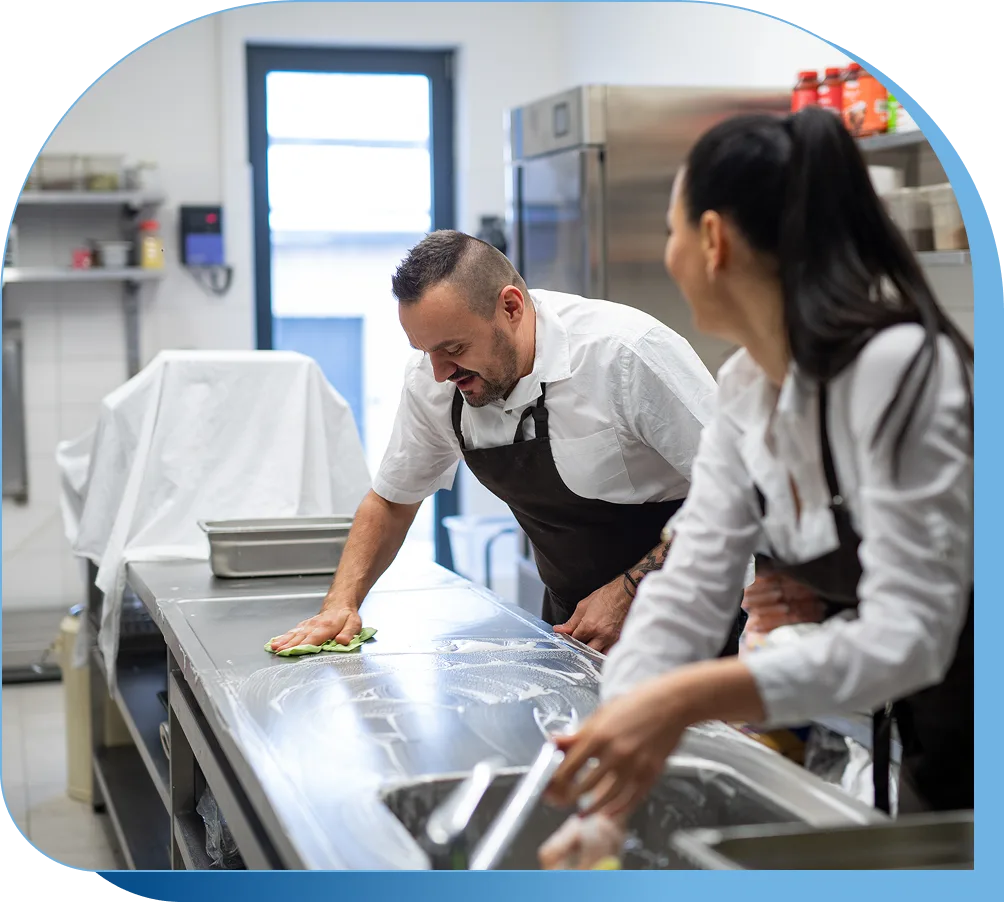
The food service industry depends on water at every stage of the customer experience: food preparation, cooking, dishwashing, beverage service, staff washrooms, floor cleaning, and equipment sanitation all draw from a metered municipal supply that charges the same rate whether the water is used productively or wasted through over-metering. For most restaurant operators, water is a background utility cost, accepted, budgeted, and rarely questioned.
The Smart Valve™ changes that. Installed in over 20,000 commercial operations across North America, the patented flow management technology reduces metered water consumption by 15–35% on average without restricting flow, affecting water temperature, or requiring any change to kitchen equipment or operating procedures. The Ontario Restaurant, Hotel and Motel Association and the Manitoba Restaurant and Food Services Association are among the industry organizations Canadian Water Savings works with directly.

Eat-In Restaurants
Full-service restaurants run commercial kitchens, dishwashing stations, and customer washrooms throughout every service, water use never really stops.
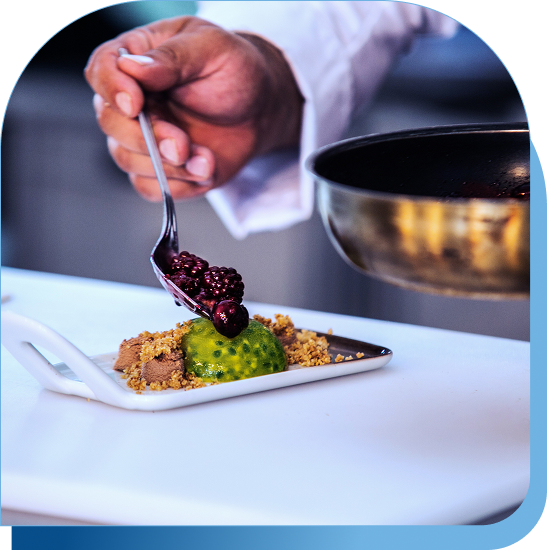
Eat-in restaurants operate some of the most water-intensive environments in any commercial sector. High-temperature dishwashers cycle continuously through service periods. Food prep involves washing produce, proteins, and equipment at every station. Bar and beverage service runs glass washers alongside the kitchen. Customer washrooms serve a constant flow of guests, and staff facilities add further daily consumption.
The combination of high-volume, intermittent-demand water systems, a dishwasher cycling on and off, a vegetable sink running for a prep period, and a glasswasher draining and refilling creates exactly the pressure fluctuations that cause air entrainment in commercial water meters. Each cycle draws a small amount of air into the system, and that air registers as volume on the meter. Across hundreds of cycles per day, the cumulative over-billing is significant.
The Smart Valve™ maintains consistent upstream pressure, preventing air from reaching the meter and delivering a 15–35% reduction in metered consumption across the entire operation. There are no changes to kitchen equipment, no modifications to plumbing, and no impact on water temperature or pressure at any fixture.
Take-Out and Quick Service
High transaction volumes and rapid kitchen turnover make quick service restaurants consistent and significant water users.
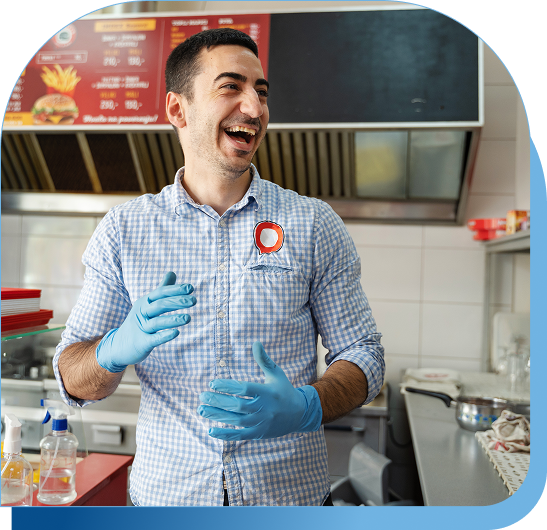
Take-out and quick-service restaurants process a high volume of orders with kitchens that never stop. Equipment cleaning between rushes, continuous dishwashing of prep items and small wares, and washrooms serving a steady stream of guests all contribute to a water bill that is proportionally high relative to the size of the operation. In high-volume QSR environments, the meter cycles through its readings multiple times daily.
Because quick service kitchens operate at a pace, any efficiency solution must work without requiring attention or adjustment from kitchen staff. The Smart Valve™ installs in the mechanical room and functions entirely in the background, it requires no staff awareness, no operational changes, and no maintenance beyond the annual inspection that Canadian Water Savings provides at its own expense.
A reduction of 15–35% in metered consumption translates directly to a lower monthly utility bill. For franchise operators managing multiple locations, the savings across a portfolio of Smart Valve™ installations can be substantial. A free site assessment is available at no cost and with no obligation for any qualifying commercial address.
Bars and Pubs
Glass washing, ice production, and late-night cleaning make bars and pubs consistent water users well beyond what customers see.

Bars and pubs use water in ways that are largely invisible to customers but very visible on the monthly utility bill. Commercial glasswashers cycle continuously throughout service. Ice machines produce large volumes daily and require regular cleaning and sanitizing. Draft beer systems require water for line cleaning. Back-of-house dishwashing, washrooms serving evening crowds, and post-close cleaning all add to daily consumption.
The pressure dynamics in bar environments, ice machines cycling, glasswashers draining and refilling, and draft systems drawing and releasing are among the most variable in any food service operation. Variable demand creates variable pressure, and variable pressure creates air entrainment in the water meter. The Smart Valve™ addresses these fluctuations comprehensively at the point of meter entry.
With no upfront cost and a guaranteed 15–35% reduction in metered consumption, the programme is a straightforward way for bar and pub operators to reduce one of their most consistent overhead expenses. Installation is completed in a single visit and requires no changes to bar equipment, draught systems, or any front-of-house infrastructure.
Coffee Shops
Espresso machines, filter systems, ice, and continuous sanitation make coffee shops significant water users relative to their size.
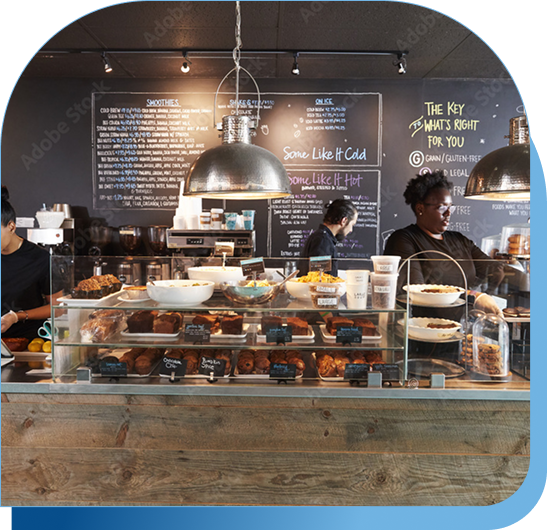
Coffee shops consume water at a rate that surprises most operators when they first examine their monthly billing. Espresso machines draw water continuously and require daily backflushing and cleaning. Batch brewing equipment runs through multiple cycles per day. Ice machines for cold beverages produce and replenish throughout operating hours. Milk steamers and blending equipment require cleaning between uses, and customer washrooms serve a high daily throughput for the footprint.
For a busy independent coffee shop or a multi-location chain, these systems collectively generate a water bill that is high relative to the operation’s square footage. The Smart Valve™ addresses metered consumption across all these uses simultaneously, reducing the total billed by 15–35% without any changes to coffee equipment, brew recipes, or cleaning procedures.
With over 20,000 installations completed across North America and a performance guarantee on every one, the programme has a demonstrated track record in exactly the kind of high-frequency, small-volume demand environment that coffee shops represent. The free site assessment confirms compatibility and provides a cost-saving projection.
Bakeries
The process of mixing, proofing, baking, and cleaning in a commercial bakery generates consistent, high-volume water demand throughout every production day.

Commercial bakeries use water at almost every stage of production: dough mixing requires precise water measurement and temperature control, proofing rooms maintain humidity levels that draw from building water systems, oven steam injection systems consume significant volumes in some operations, and equipment cleaning between batches is both frequent and thorough. Retail bakeries add customer washroom consumption to production water use.
The combination of large-volume batch demands, a commercial mixer filling, a proofer humidifying, a steam deck oven cycling, followed by periods of lower consumption, creates the kind of pressure variability that leads to over-metering. The Smart Valve™ moderates these fluctuations and ensures that the meter records actual consumption rather than a mixture of water and entrained air.
A 15–35% reduction in metered consumption in a commercial bakery translates to meaningful savings on a cost that runs every production day of the year. With no upfront cost, no changes to production equipment, and a guarantee backed by over 20,000 installations across North America, the programme is well worth a free site assessment.
See If Your Property
Qualifies for 15%–35% Water Savings
If your building has high water usage, a water bill review is the first step in determining whether system-level optimization is a good fit.
There is no obligation to proceed beyond the review. The goal is simple: determine whether meaningful, measurable water savings are achievable for your property.
Qualified businesses must spend over $2,000 CAD per month on average on water and sewage.